About Me
Introduction
I'm Gil, an AI Product Design Engineer. I take complex workflows and turn them into AI-native systems, from discovery through shipped product.
Design Philosophy
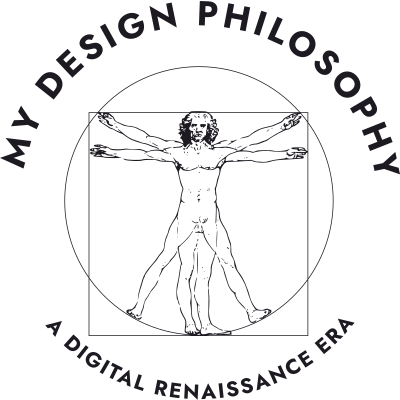

My north star is the complete practitioner: the idea that the best AI-native products are shaped by one mind that can hold design, engineering, and AI logic simultaneously, not handed off through layers of interpretation.
When the same person who defines the workflow also builds the prototype and wires the AI, translation loss disappears. Teams move faster and the gap between what we designed and what shipped closes.
Days to ~20 minutes
Compressed a high-friction insurance workflow into a faster, clearer operating path for teams and customers.
16+ internal tools
Carried a multi-year product ecosystem across sales, design, installation, and monitoring workflows.
5,000+ developers
Helped technical audiences adopt new platforms through demos, workshops, and practical product education.
What I Bring
Enterprise End-to-End Systems Builder
I've designed complex product ecosystems at enterprise scale — multi-product platforms, multi-role workflows, and long-running transformation initiatives as a solo designer. Systems thinking, not just screen design.
AI-Native Product Design Engineer
I design and prototype AI-native product systems — RAG pipelines, agentic workflows, human-in-the-loop interfaces, structured outputs, and context-aware products. AI product work grounded in real systems, not demos.
Technical Educator & Evangelist
I help people understand, adopt, and build with new technologies — through demos, workshops, tutorials, and product systems thinking. Teaching as adoption; adoption as product design.
How I Work
I don’t start with AI. I start with how work actually happens.
The method works in cycles. Each one scoped small enough to prove value fast, wide enough to compound across the whole system.
Each cycle makes the next one faster, safer, and more valuable. Real workflows before AI use cases. No baseline, no proof. No proof, no scale.
Understand
- Discover
- Model
- Baseline
Know before you build
Intervene
- Design
- Adapt & Script
- Measure
Build small, prove value
Promote
- Promote
- Orchestrate
Make it durable and connected
Scale
- Govern
- Reuse & Expand
Govern and compound
Where most AI projects break down
Most AI failures aren't technical. They're structural: siloed teams, AI built without real workflows, ideas that can't survive contact with production. The method closes those gaps.

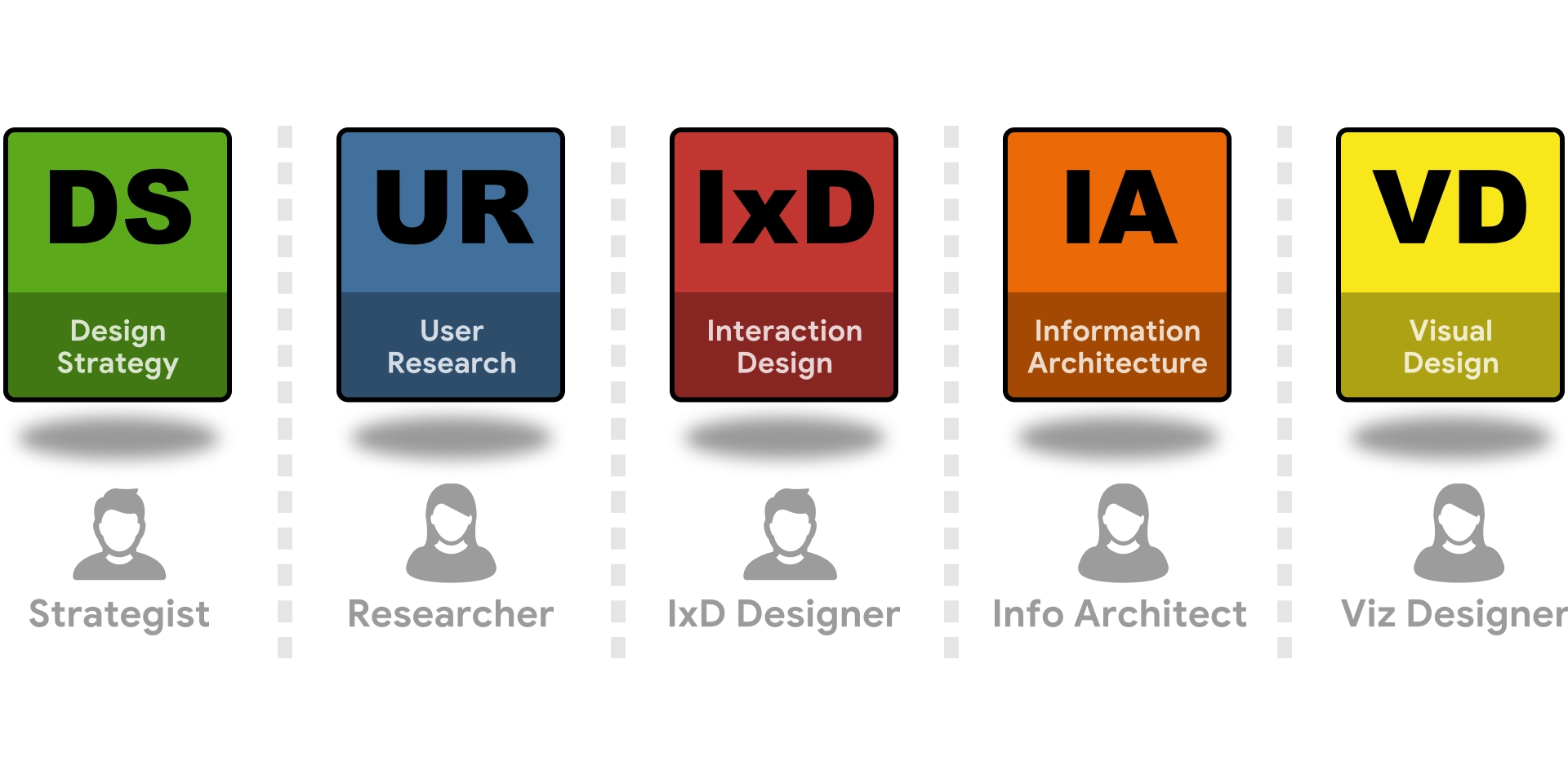
Design, engineering, and AI in separate rooms
Work lands in three different hands. Every handoff is a translation, and translation is where ideas lose fidelity.

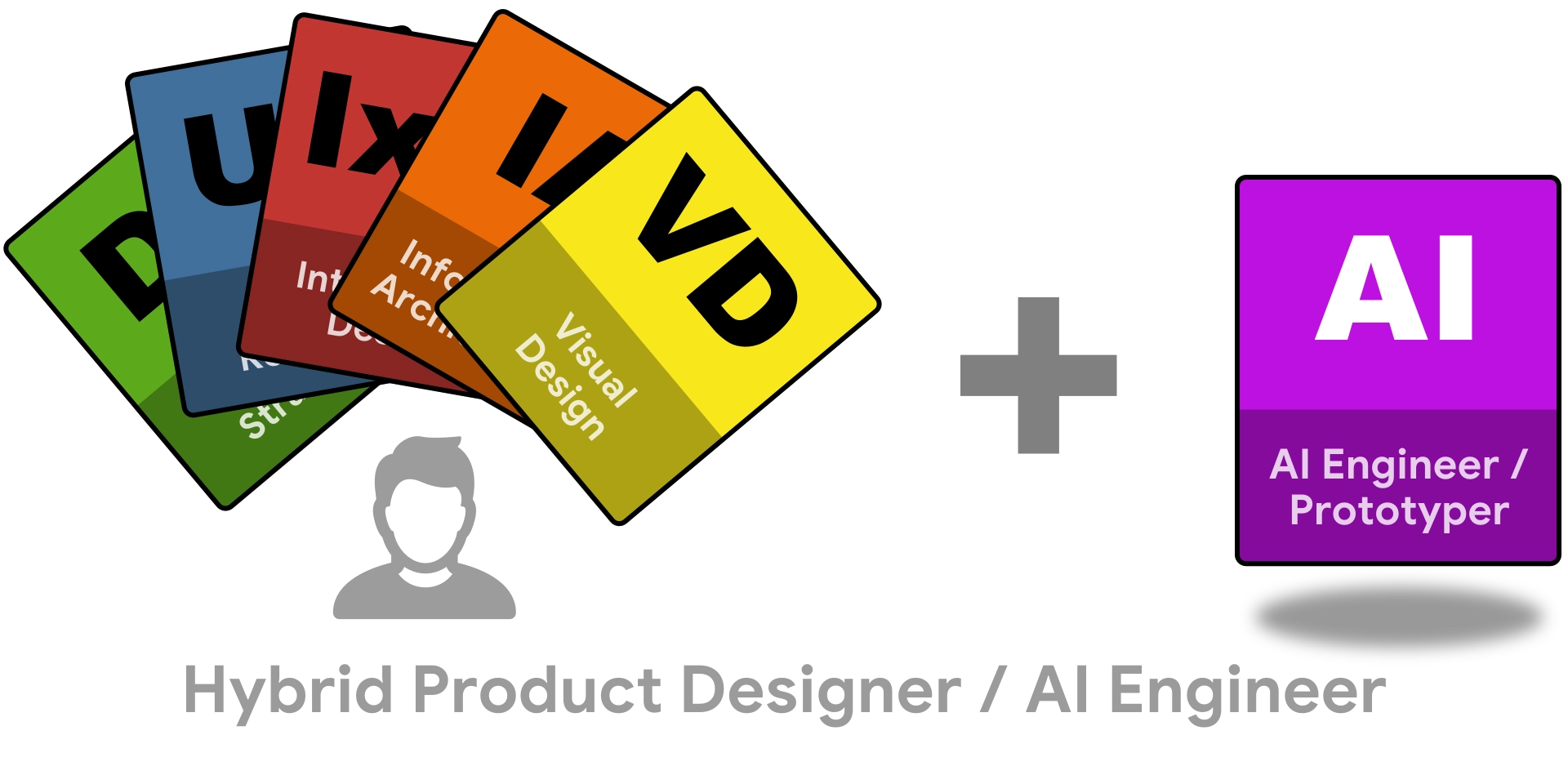
One practitioner across all three layers
I lead design, write code, and wire the AI as one strategic partner across all three disciplines. No handoffs, no interpretation layers, no gap between what was designed and what shipped.
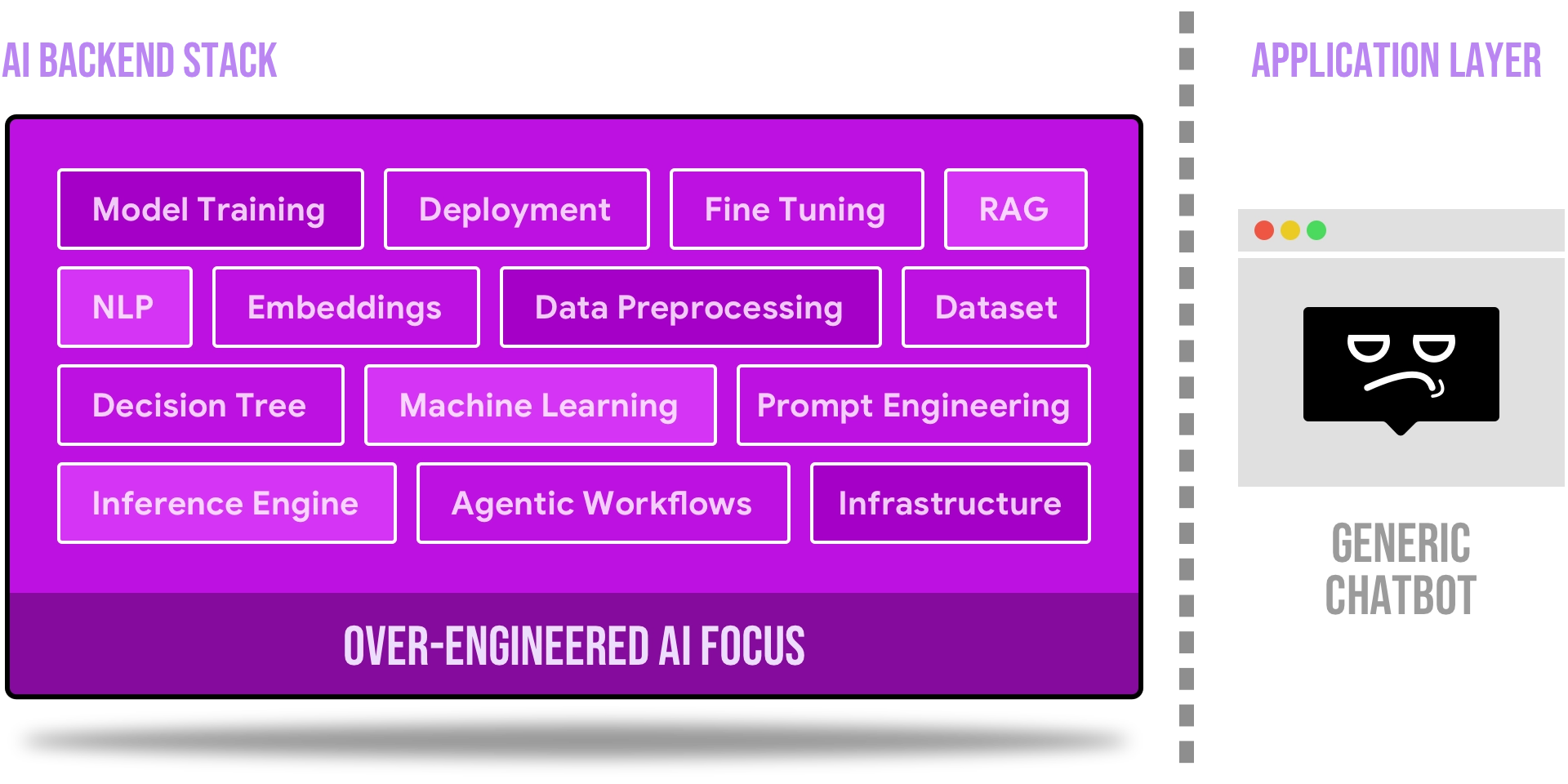
AI built without a workflow to plug into
Teams rush to launch LLM features with minimal ROI. Without mapping real workflows or solving real problems, the result is unused chatbots and shallow automation.
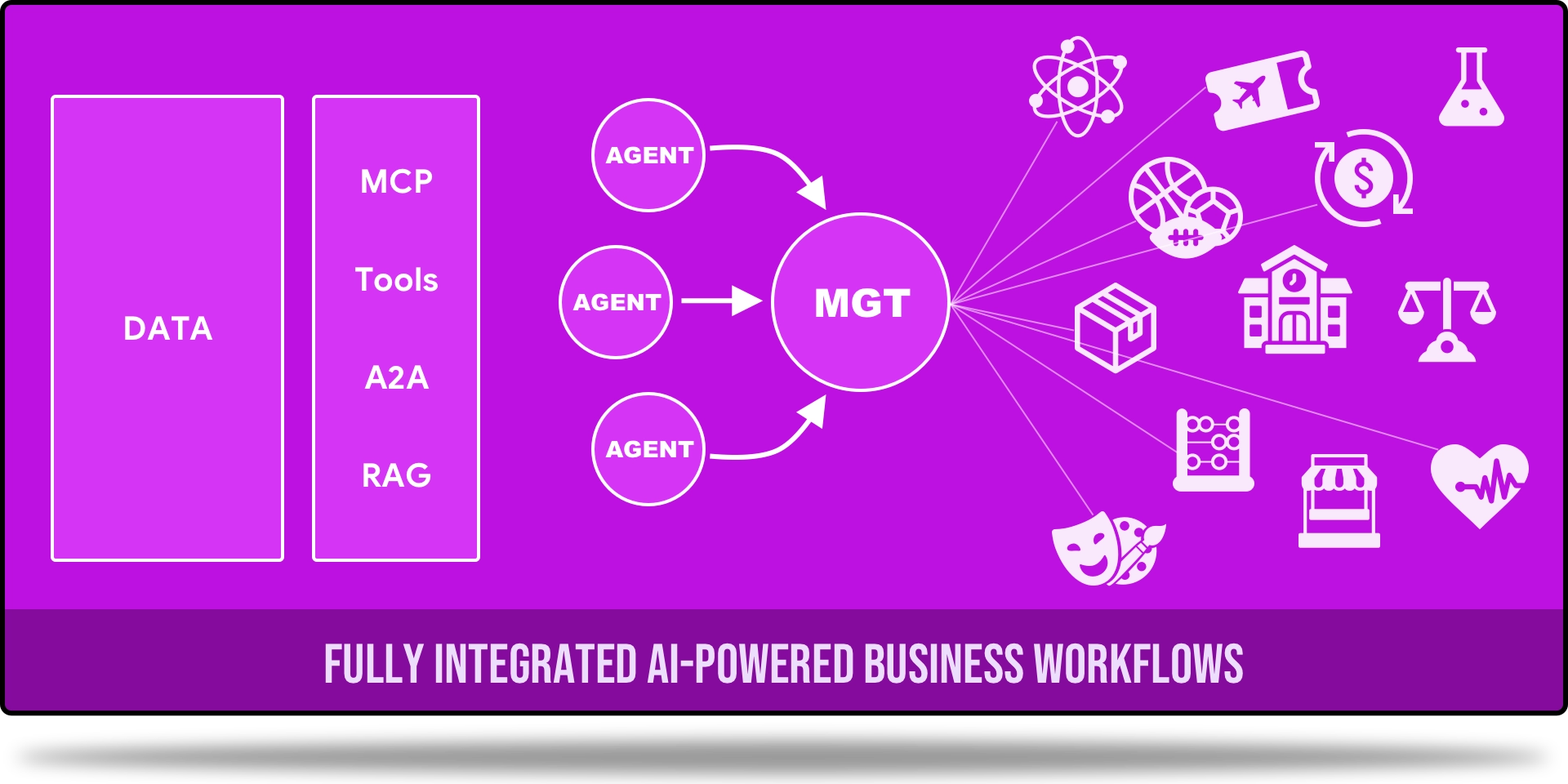
Bridge between LLMs and real work
I map how work actually happens first, then wire the AI stack into those real decisions. The result is automation that runs, not a chatbot no one uses.
Technical Toolkit
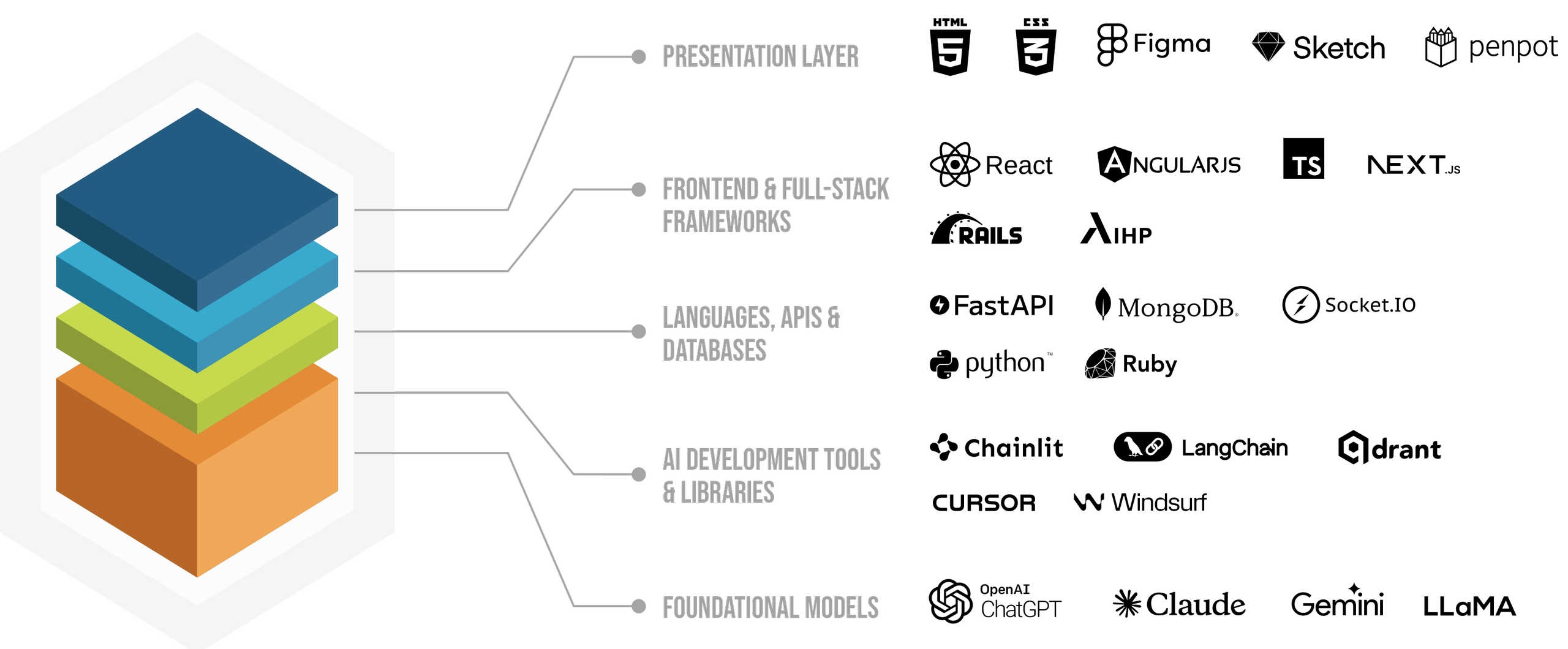
The full stack, from workflow model to deployed AI system.
My stack spans the full system: AI engineering (OpenAI & Anthropic APIs, LangChain, LangGraph, DSPy, RAG pipelines, vector stores, structured outputs, agent orchestration), frontend and prototyping (React, Angular, Vue, TypeScript, API-connected interfaces), backend and tooling (Python, FastAPI, Rails, PostgreSQL/pgvector, Docker), and product and design (systems modeling, workflow mapping, information architecture, interaction design, design engineering).
As a product generalist, I choose the right tool for each layer (design, front end, data, or model) so ideas travel from workflow model to shipped system without unnecessary handoffs.
Getting personal
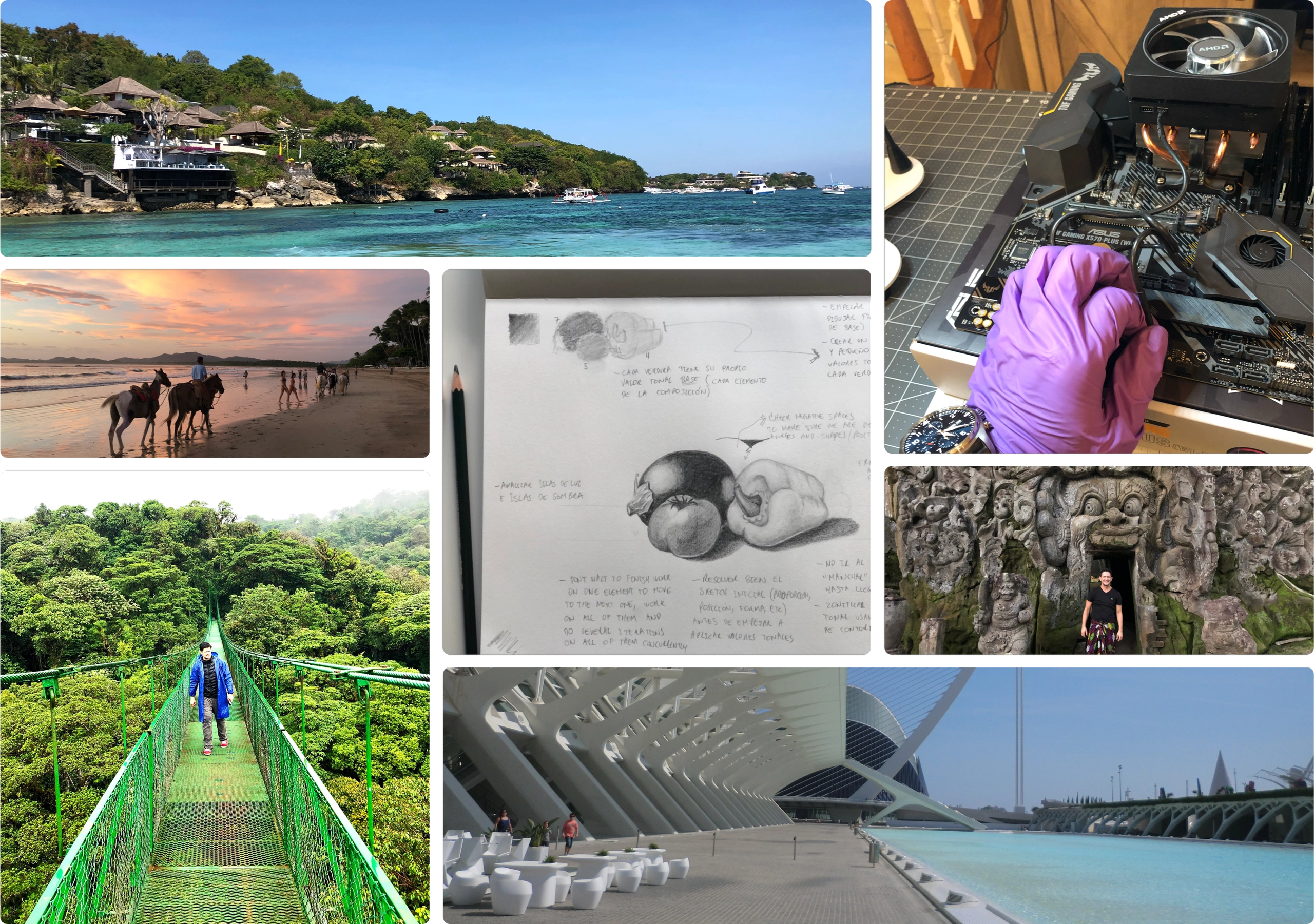
Things I do when I'm not building
Still-life sketching, coastal hiking, PC teardowns, and slow travel through cities with good architecture.
I draw to stay sharp. I travel to stay curious. I take things apart to stay honest about how they work.
Frequently asked questions
What kind of work do I do?
I'm an AI design engineer: a product designer who also builds. I take complex, workflow-heavy products from research through working code, and specialize in AI features that are grounded in real workflows — chatbots, RAG pipelines, and multi-agent systems.
Why is my workflow-first AI approach different?
Most AI features fail because they are bolted onto a product without understanding how the work actually happens — the result is unused chatbots and shallow automation. I map the real workflow first, identify where AI genuinely helps, and only then design and build the feature with grounding, evaluation, and fallbacks.
Which projects demonstrate AI design engineering?
Craftal (RAG, custom DSL, and agent workflows for product planning), CareDash (multi-agent medical intake prototype), Contextus OS (persistent context for AI-assisted work), Sol (pre-LLM IBM Watson chatbot at SunPower), and this portfolio's own chatbot, which I designed and built end to end.
Am I available for new projects?
Availability depends on current commitments and project scope. Reach out via the contact form to confirm timing.
Do I work remotely?
Yes. I work remotely with teams across time zones and am experienced in async collaboration.
What size of project do I take on?
Anything from a 1–2 week consulting engagement to multi-month product builds. I work solo or embedded in an existing product/engineering team.
Do I do both design and code?
Yes — that is the core of my offer. I deliver production-ready frontend code (Rails, Stimulus, CSS, JavaScript), not just design files, and build the AI pipeline behind AI features.
What technologies do I work with?
My work includes Ruby on Rails, Hotwire and Stimulus, JavaScript, modern CSS, RAG and agent workflows, Cloudflare Workers, and AI APIs including Groq, OpenAI, and Anthropic. The right stack follows the product and team rather than a fixed template.
What timezone do I work in?
I work remotely and plan collaboration around each team's timezone. Include your location and preferred working hours in an inquiry so availability can be confirmed.
What about pricing?
Pricing depends on scope and engagement model (project, retainer, or consulting). Contact me for a concrete quote — I respond within one business day.
Can I help a team that already has designers or engineers?
Yes. Common patterns: leading AI feature design alongside an existing engineering team, implementing frontend for an existing design team, or advising on AI strategy while the team builds. I can embed in an existing product/engineering team and work in its codebase and processes.
What happens after you get in touch?
First, a no-commitment intro call to discuss the project, goals, and constraints. Then a proposal with scope, timeline, and pricing within a few days. If it's a fit, discovery starts at kickoff and progress is shared weekly.
What should you include in an inquiry?
A short note about your project, what problem you're trying to solve, your rough budget and timeline, and your location or preferred working hours. That's enough to confirm fit and availability quickly — I respond within one business day.
How do I approach AI projects?
Workflow first. I map how the work actually happens, identify where AI genuinely helps, then design and build the feature with grounding, evaluation, and fallbacks — so the result is automation that runs, not a demo.