The Narwhale Pod

Welcome to the Narwhale Pod! In the tech world, designers who code are often called "unicorns": mythical creatures of legend. But I believe these skills are very real and increasingly essential. The ability to bridge design and development creates more cohesive and innovative digital experiences.
Narwhals, the unicorns of the sea, are a perfect metaphor: they're real, they're remarkable, and they navigate their world with unique capabilities. This space is dedicated to exploring the intersection of design, code, and AI, sharing insights, projects, and practical magic.
Featured Articles
Designing the App Layer for Agents
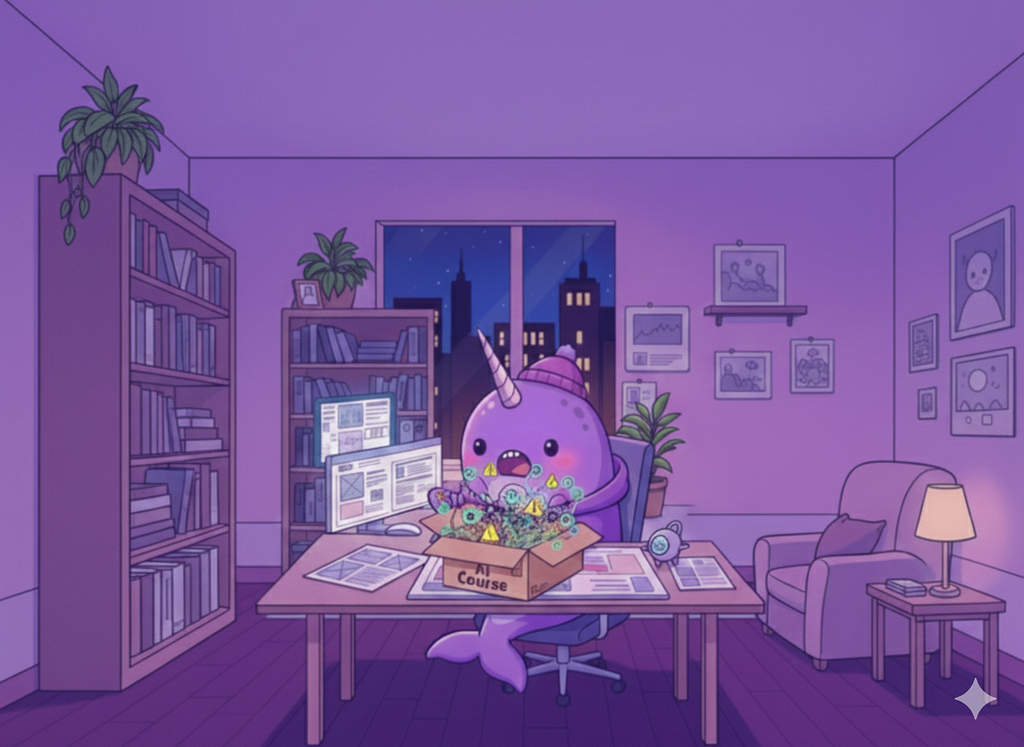
A post-mortem from the Berkeley Agentic AI MOOC, written for hybrid designer-developers working in the application layer. It reframes agents as long-running, distributed systems rather than chat UIs, and shows how evaluation design, test-time strategies, memory, and visible state and recovery flows are the real product-design problems behind agentic products.
Read on MediumWhy Governance Is the Missing Layer in AI Product Design

A post-mortem from the Harvard Data Science Initiative Agentic AI Intensive. It argues governance is not a compliance afterthought but a core design layer: as agentic systems break the deterministic software model, designers must own accountability, guardrails, and human-in-the-loop validation.
Read on MediumRevolutionizing Medical Intake with AI Agents
Explores CareDash, an AI-driven chatbot built at a Berkeley hackathon to simplify medical intake for clinics and patients. It uses a RAG pipeline over questionnaires and policy documents, with patient-friendly touches like medical-term lookup and secure e-signatures.
Read on MediumUnlock the Power of AI — No Internet Required
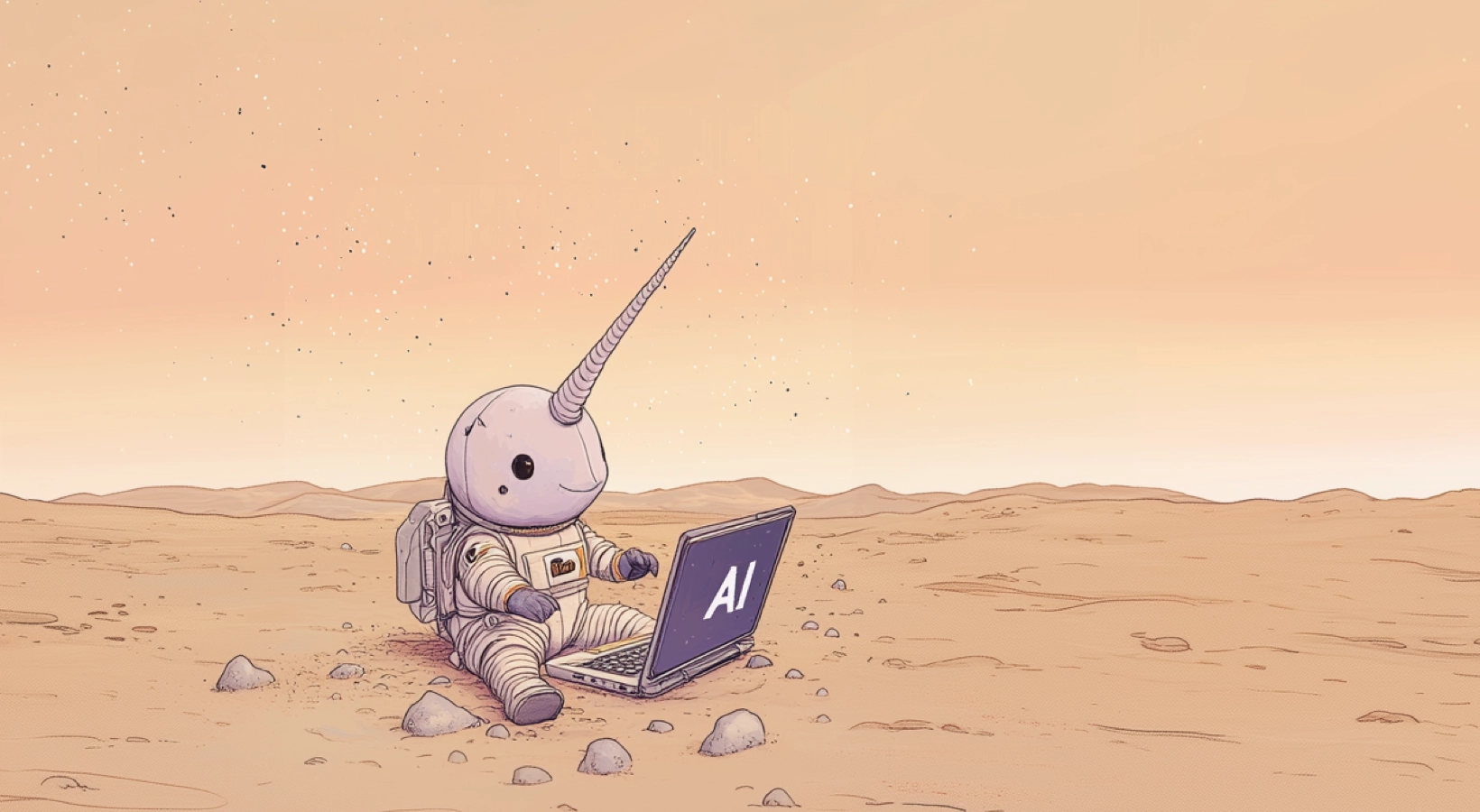
Introduces the benefits of an offline AI assistant: remote work with no internet, productivity on long flights, or keeping sensitive data private. It sets up a hands-on series on building your own local, RAG-powered assistant that runs entirely on your laptop.
Read on MediumComing Articles
Drafts in the pipeline, distilled from my current build notes and design narratives across Craftal and Contextus OS.
- CWM → CIR: two artifacts, “what” vs “how”
- Design-first: earn the DSL against real domains
- Two natures: domain “meat” vs instrumentation “wiring”
- Dual-runtime: human/CWM vs machine/CIR
- How we know the notation is right: convergent evidence
- The Neufert vision: a shared repository of business domains
- Why user flows weren’t enough: adding the system substrate
- Blueprint vs Specification: a human source that compiles to a machine-ready artifact
- What we added to ATOS, in plain terms
- Auditing AI builders: read the repo, not the report
- The boundary held: what design-first bought us
- Carrying a project across AI threads: a context-continuity system
- Earn the shape before you build it
- Every AI-builder handoff should be a committed file
- Decide, distill, explain: three genres for project knowledge
- Rationale docs: a thinking workspace before the ticket
- Let each slice tell you where the next risk is
- A stage is green, or it’s stopped: nothing in between
- The classifier seam: two provider modes, one pure core
- Two layers of undo: portable history vs the personal timeline
- Loop engineering: gates between phases, autonomy within them
- Determinism is the moat: narrow the LLM to judgment
- One artifact, three faces: layering sophistication over one core
- What an inbox pass actually delivers vs. the vision
- Not everything is an atomic note: genres, homes, and schemas
- Is it real, or did we dream it? Telling a valuable system from a green one
Dive deeper into the pod and explore all articles on Medium at The Narwhale Pod.