Clients & Ventures

Product/systems design that turns AI tech into business results













Contact Us
Contact form or information will go here.
Project Detail

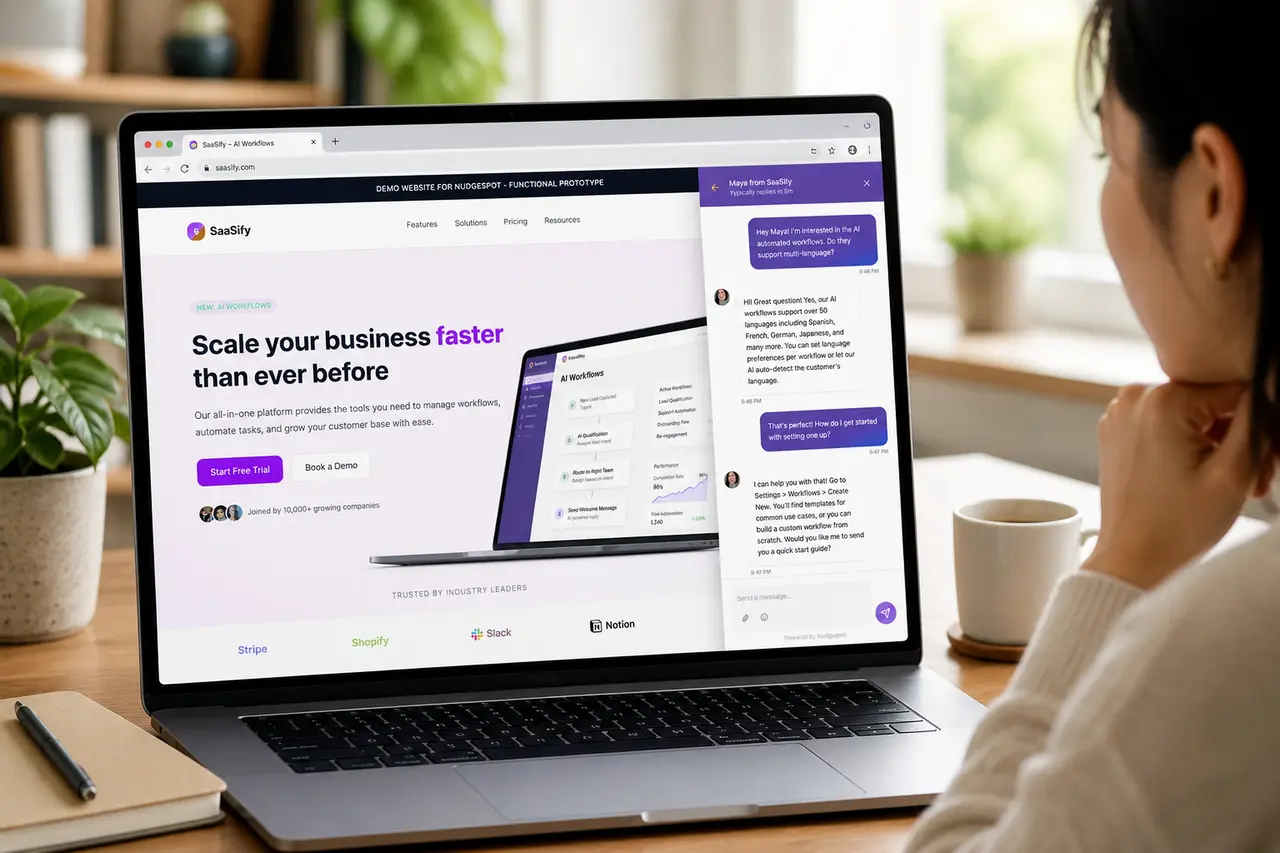

In-App Conversational Interface
Summary

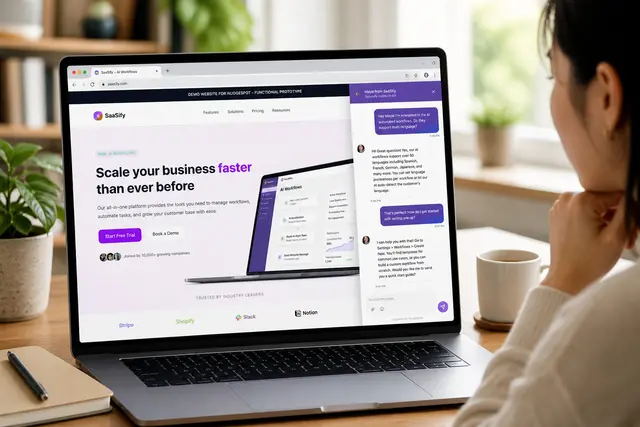
A visitor-facing messaging widget that connected live support, announcements, product help, and feedback collection.
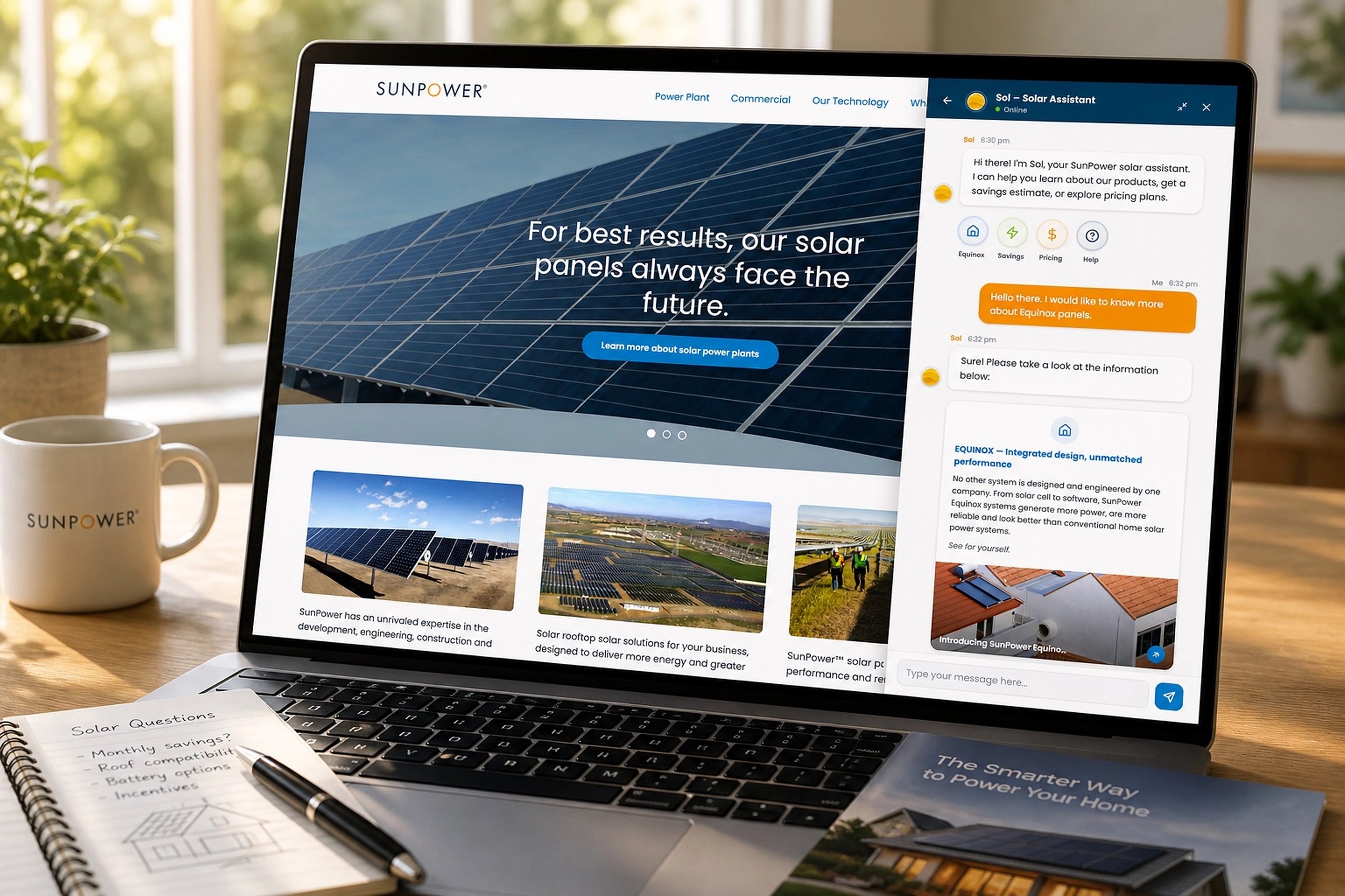
Nudgespot needed a lightweight customer-facing widget that could live inside a client’s website and turn visitor questions into manageable conversations.
I designed the in-app experience as the front door to Nudgespot’s broader support and campaign platform, giving customers one place to ask questions, receive updates, and share feedback.
Outcome
The In-App widget extended Nudgespot from an internal messaging platform into a complete customer engagement loop.
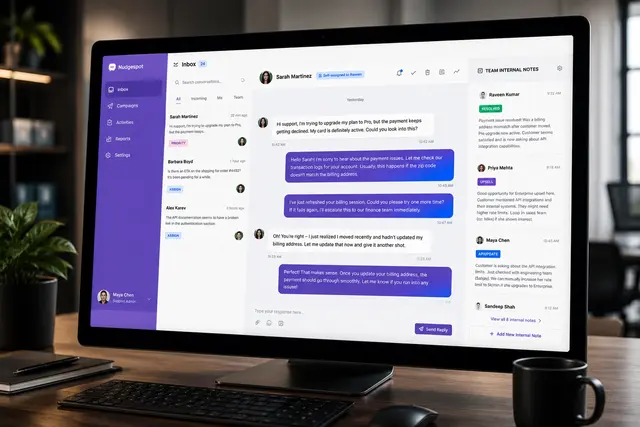
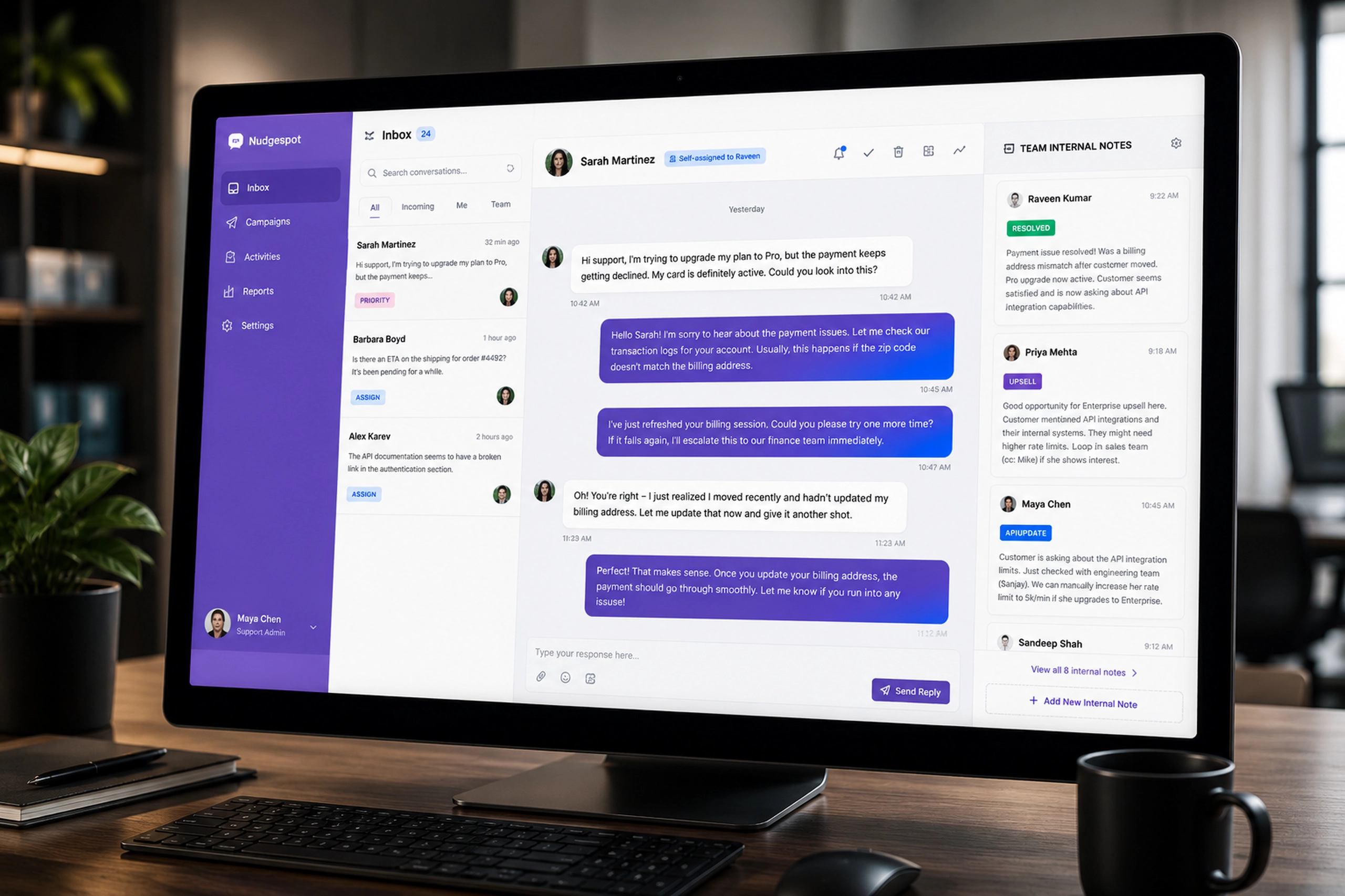
It gave website visitors a single, familiar place to ask questions, receive announcements, continue conversations, and give feedback. On the business side, those interactions could flow back into the internal inbox, assignments, notes, campaigns, and reports.
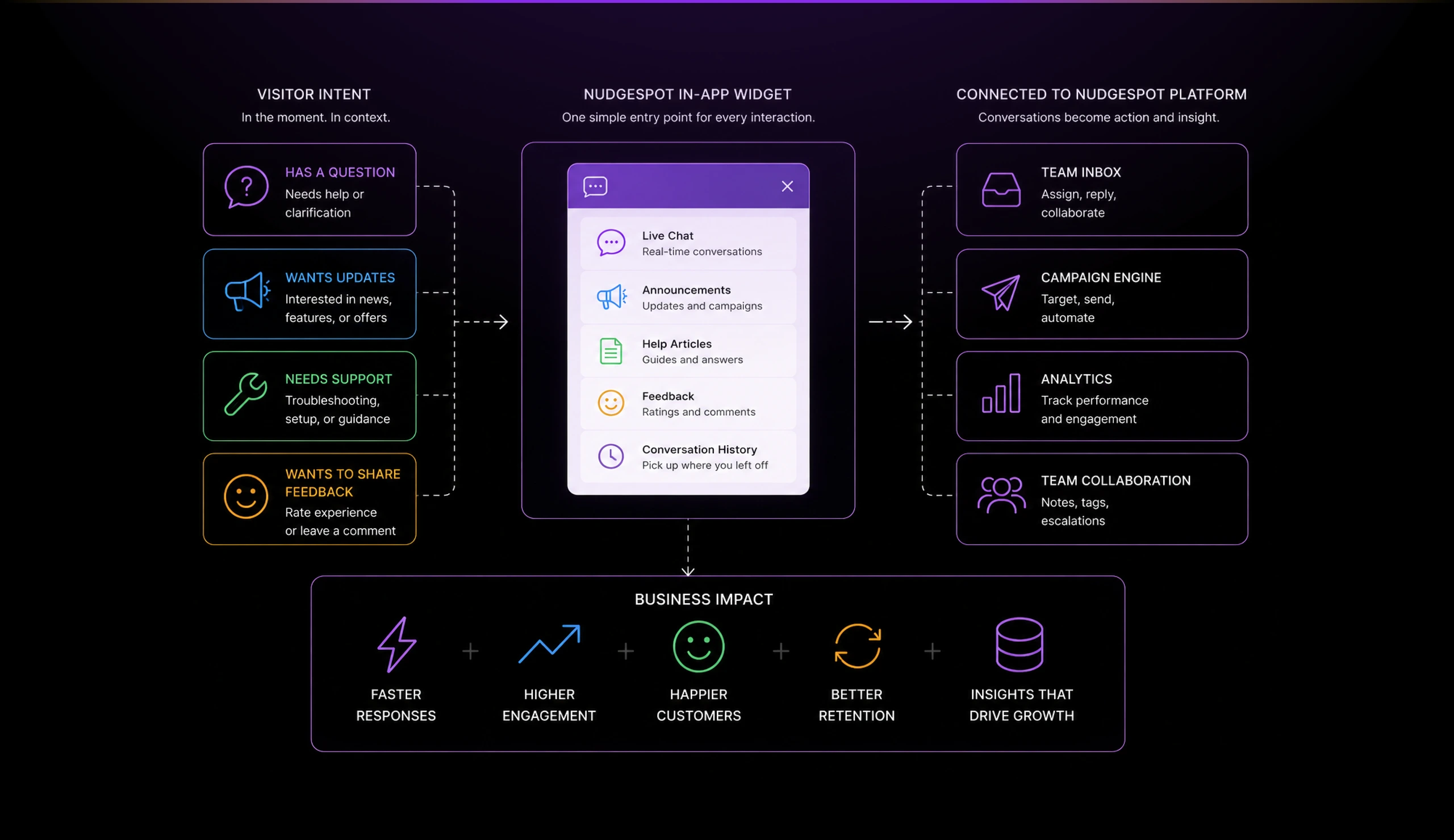
The final product supported a broader customer lifecycle:
- Visitors could ask questions without leaving the page.
- Teams could respond from the internal Nudgespot platform.
- Campaigns could reach users inside the product experience.
- Feedback could be captured at the right moment.
- Conversations became reusable signals for support, sales, and product teams.
This project is especially relevant today because the same pattern now sits at the center of AI customer support products: embedded assistants, proactive nudges, guided answers, sentiment capture, escalation, and continuous learning from customer interactions.
The Problem
Customer engagement was happening at the wrong moment.
Website visitors often had questions while evaluating a product, reading announcements, or trying to understand features. The traditional path forced them into email, support forms, or delayed follow-ups.
That created a gap between user intent and team response. A visitor could be interested, confused, or ready to convert, but the product had no lightweight way to respond in context.
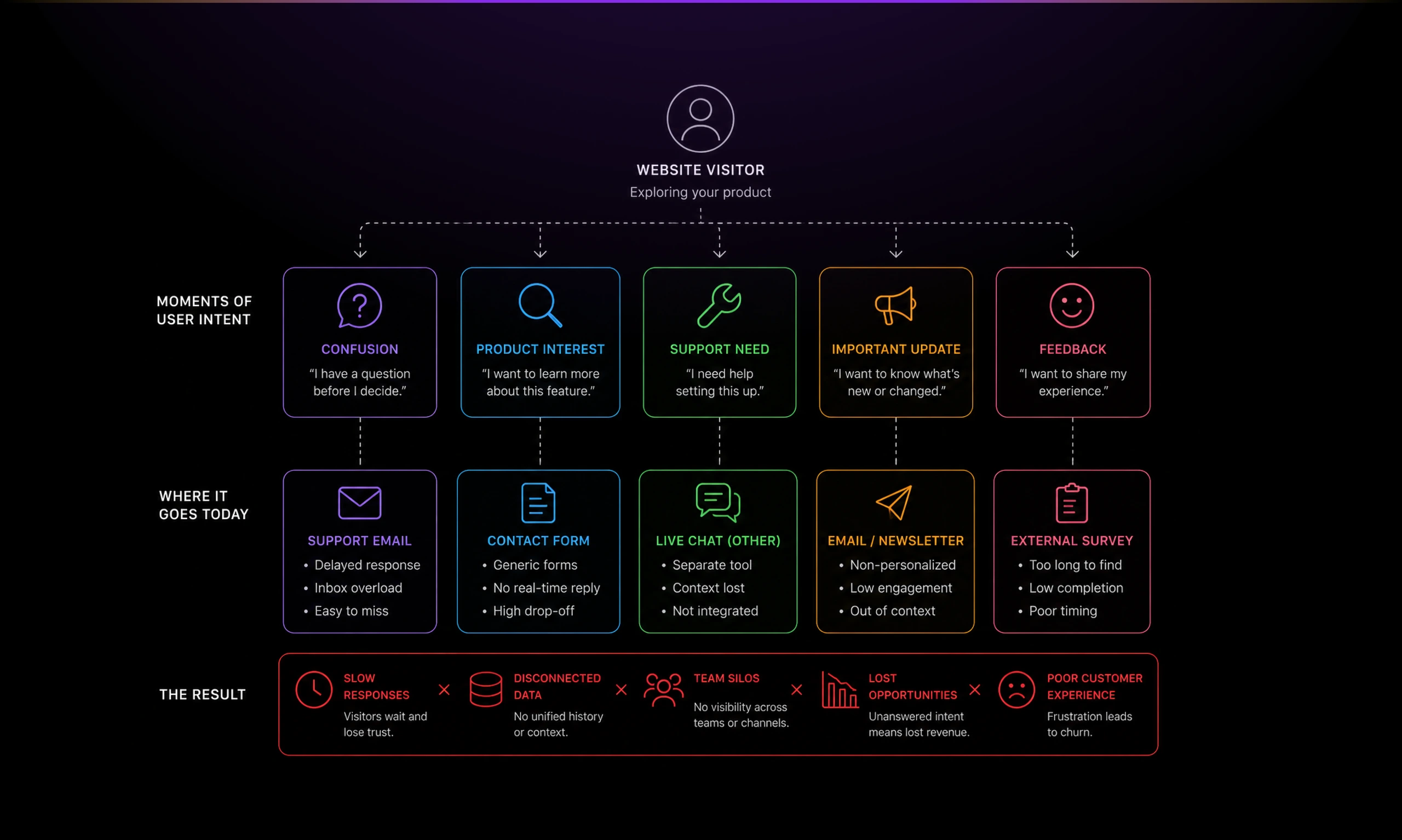
The widget needed to feel native to the website, simple enough for casual visitors, and powerful enough to support multiple use cases:
- Live support conversations
- Product announcements
- Guided answers
- Follow-up questions
- Feedback collection
- Customer satisfaction prompts
- Handoff into the internal Nudgespot inbox
The challenge was restraint. The widget had to support many interaction types without feeling like a full application squeezed into a sidebar.
Solution
A lightweight front door for customer conversations.
The default website state kept the product unobtrusive. The launcher stayed available without interrupting the main page experience.
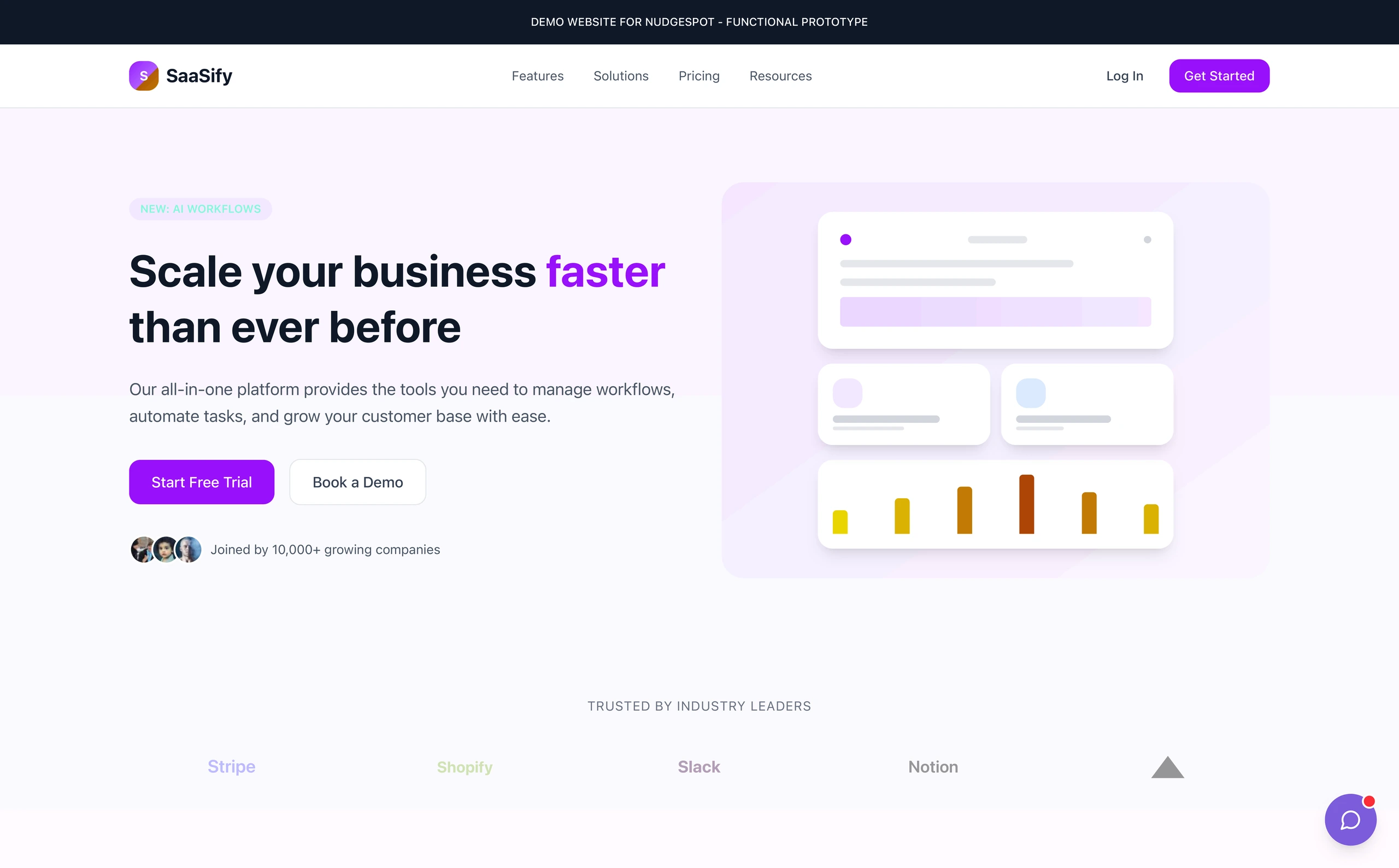
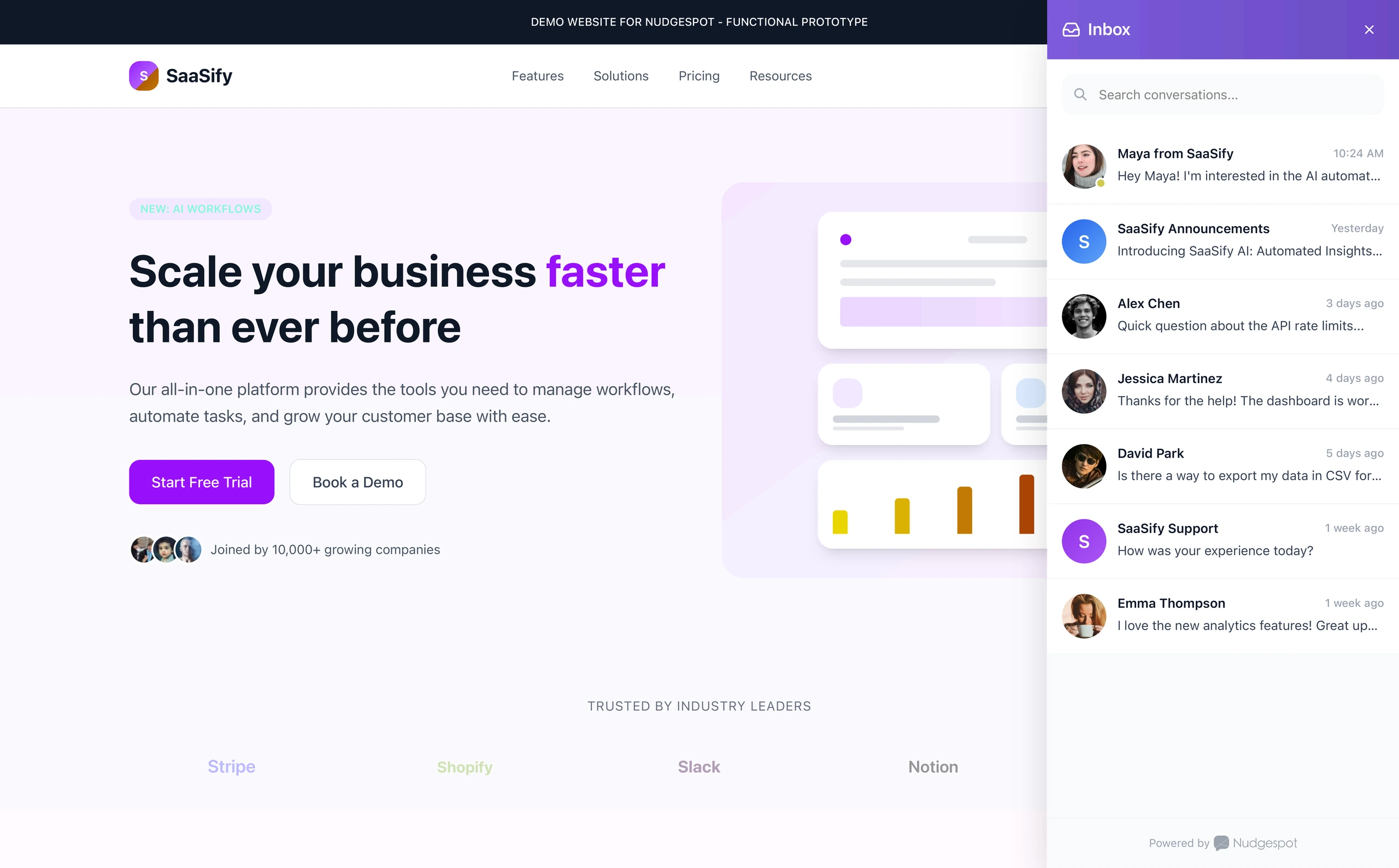
When opened, the inbox state gave visitors a clear overview of active conversations, announcements, and prior messages. This made the widget feel persistent, not like a disposable chat popup.
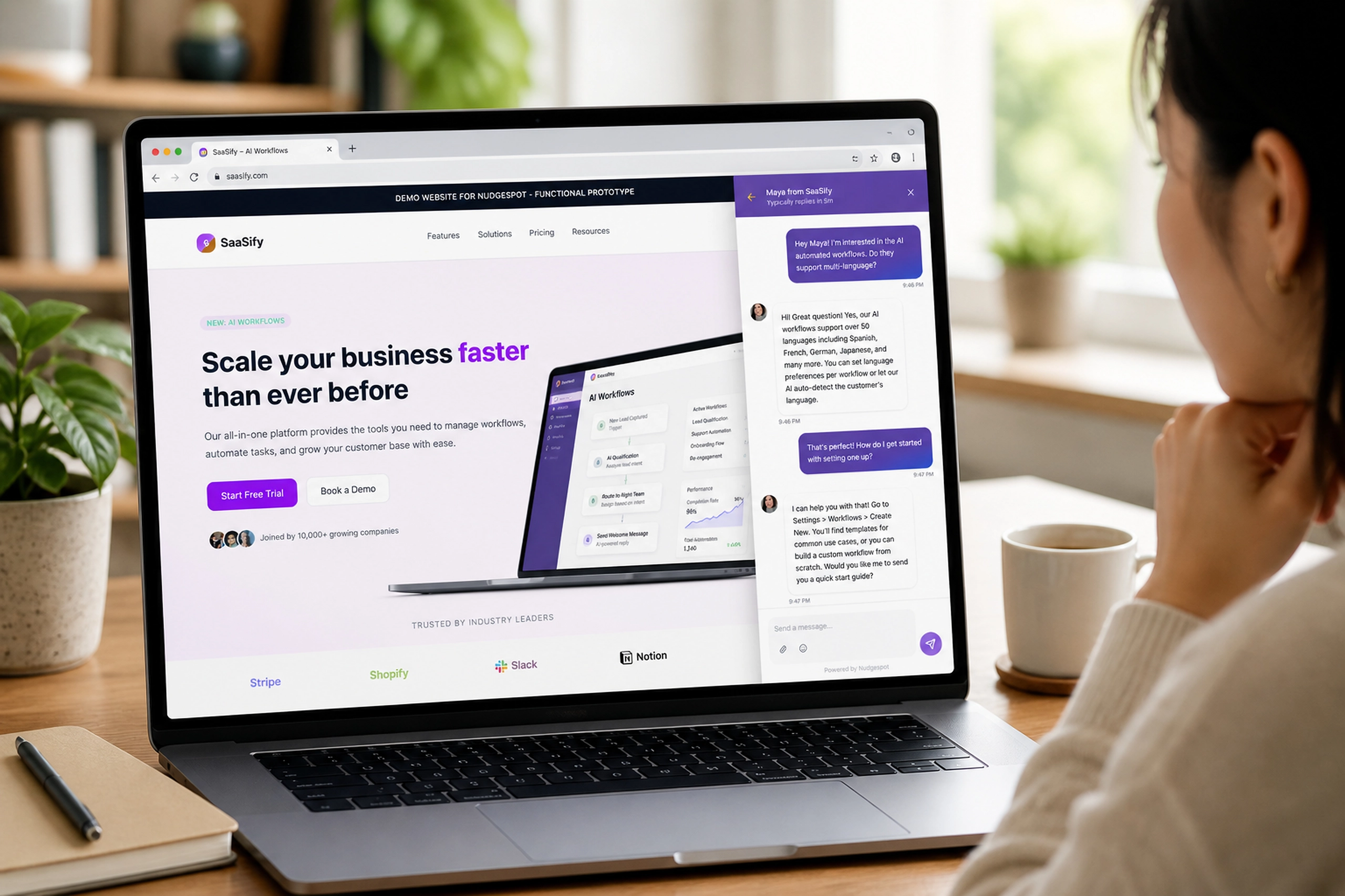
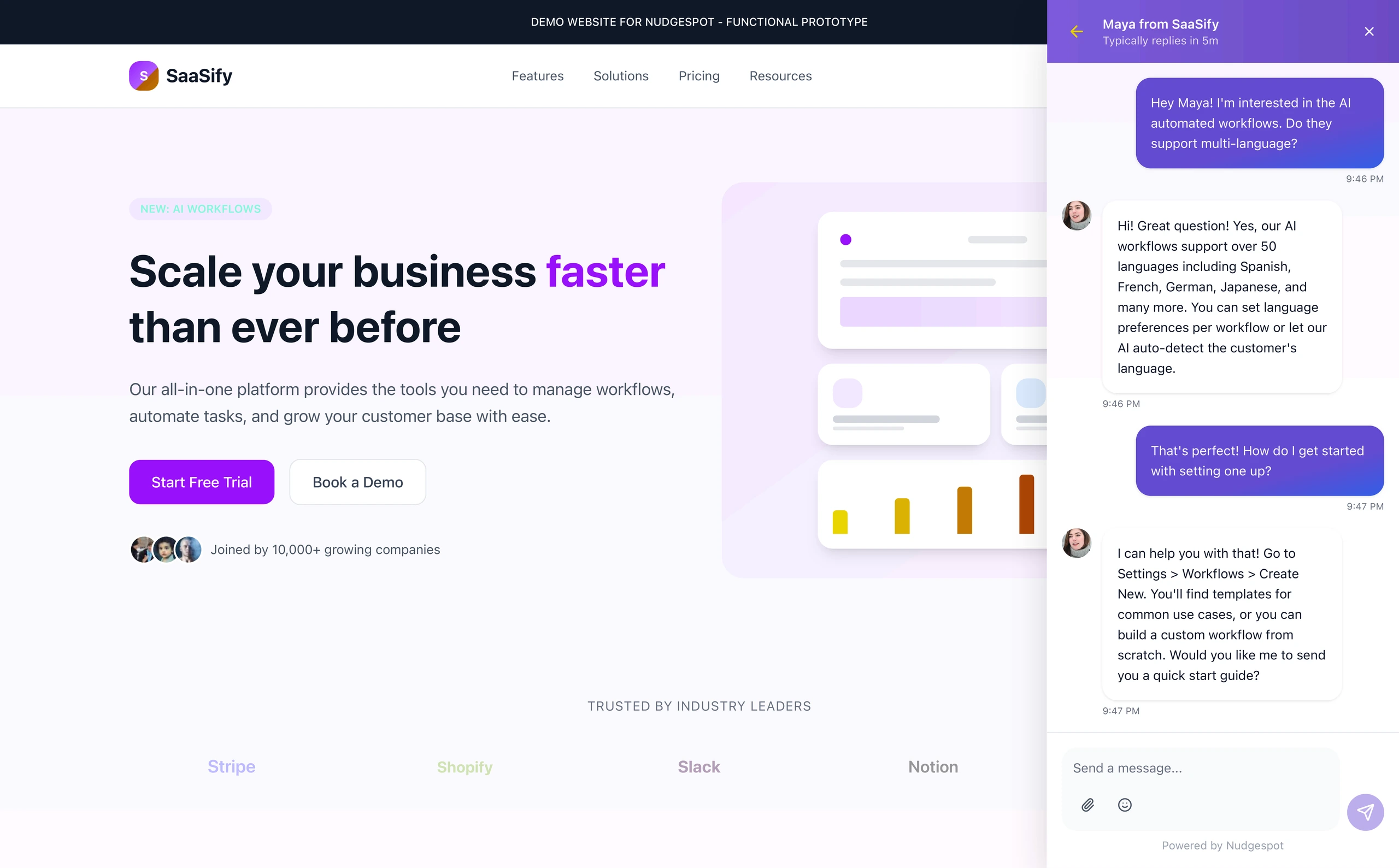
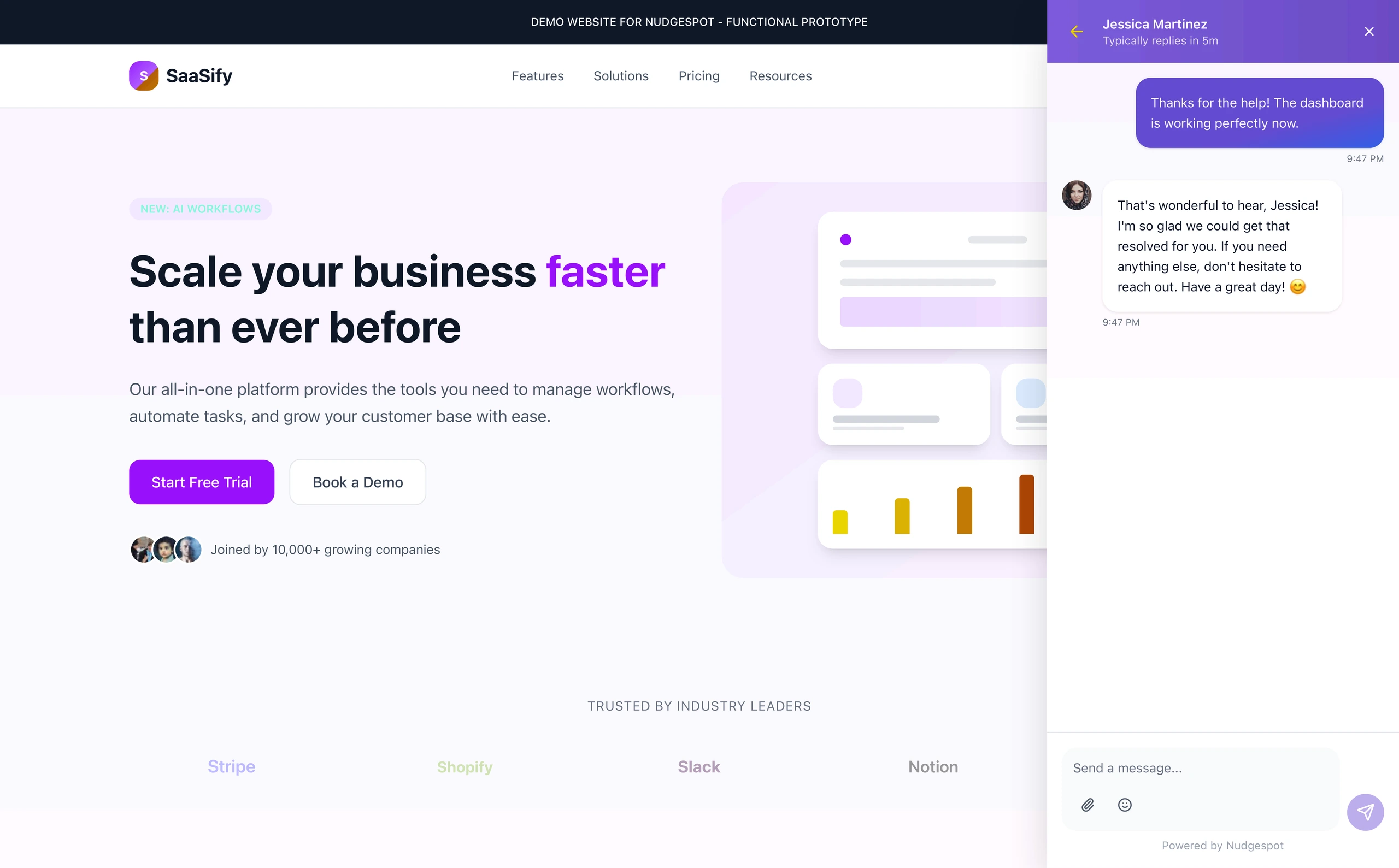
The conversation view focused on clarity: a simple header, readable messages, timestamped replies, and a clean composer. The customer could ask follow-up questions without leaving the page.
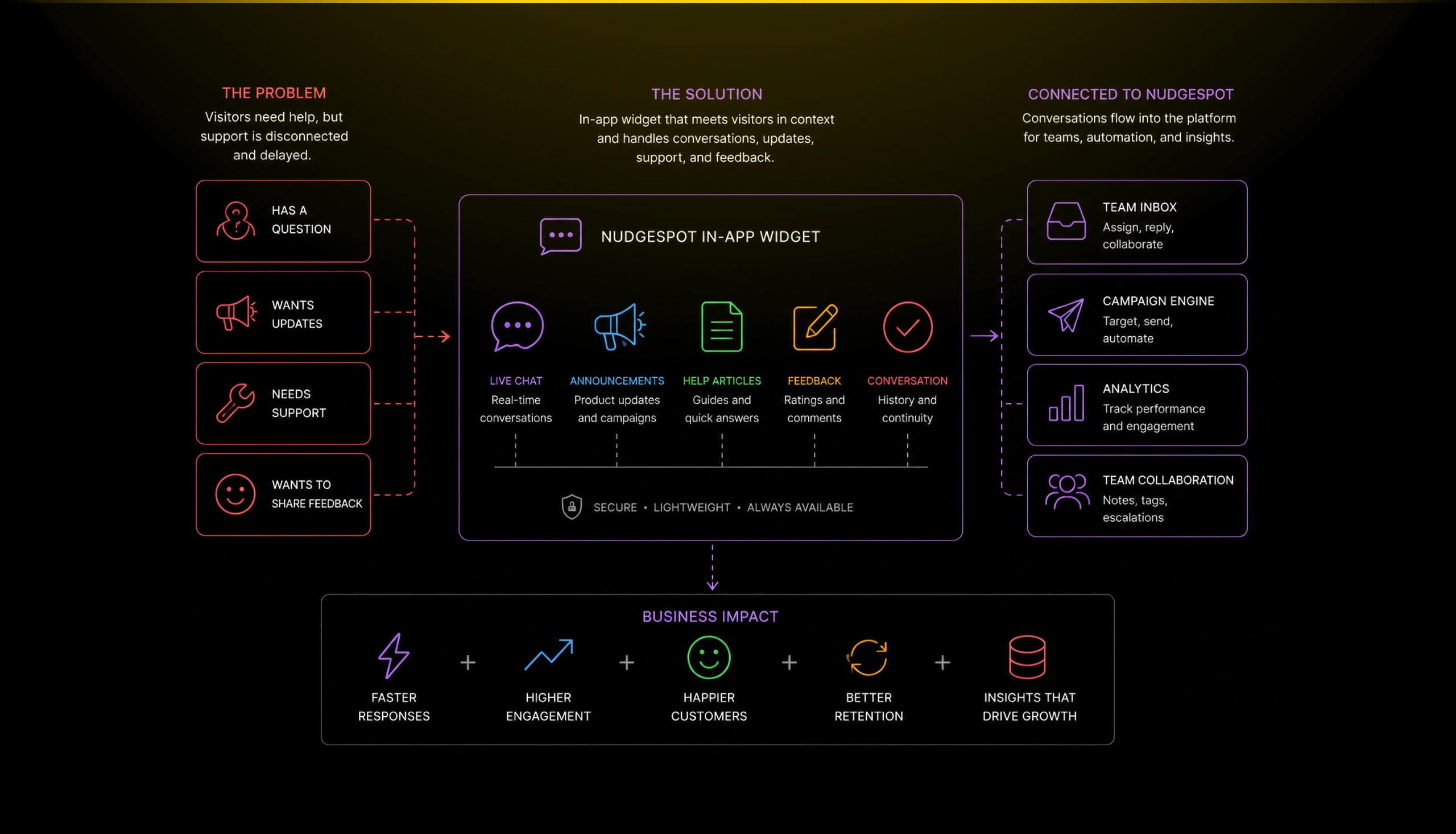
The goal was to have the in-app widget work as a bridge between website visitors and the internal Nudgespot platform, connecting live chat, announcements, support questions, campaign messages, feedback forms, and team inbox workflows.
Proactive messages, not just reactive support
The widget also supported announcements and campaign-style content. This allowed teams to send product updates, feature launches, onboarding nudges, and promotional messages directly inside the customer experience.
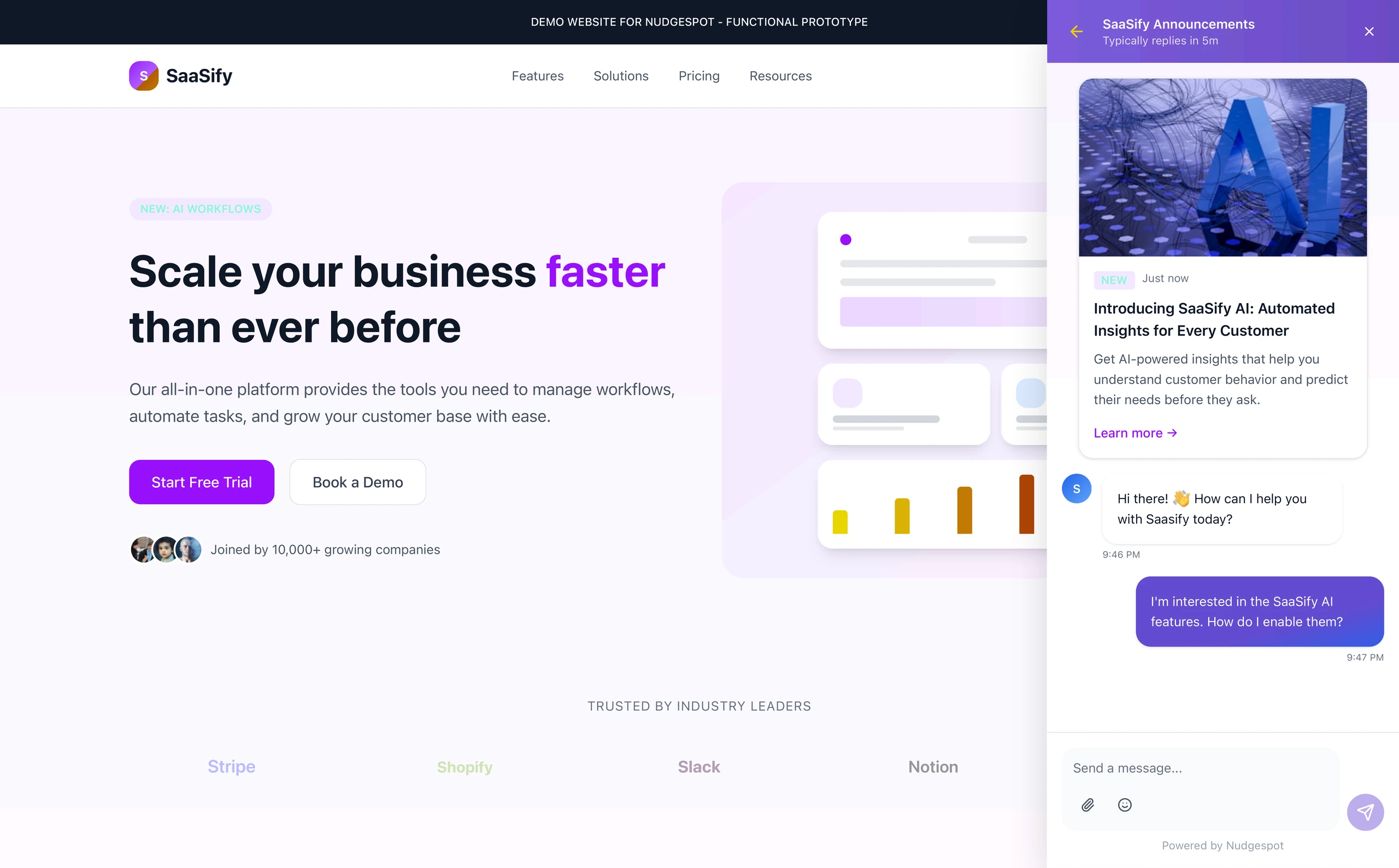
This was important because not every customer interaction begins with a question. Sometimes the product team needs to introduce a feature, guide attention, or create a timely nudge that feels relevant.
Support designed around real product questions
Support conversations were designed to handle practical customer questions, like API limits, feature setup, exports, and workflow configuration.
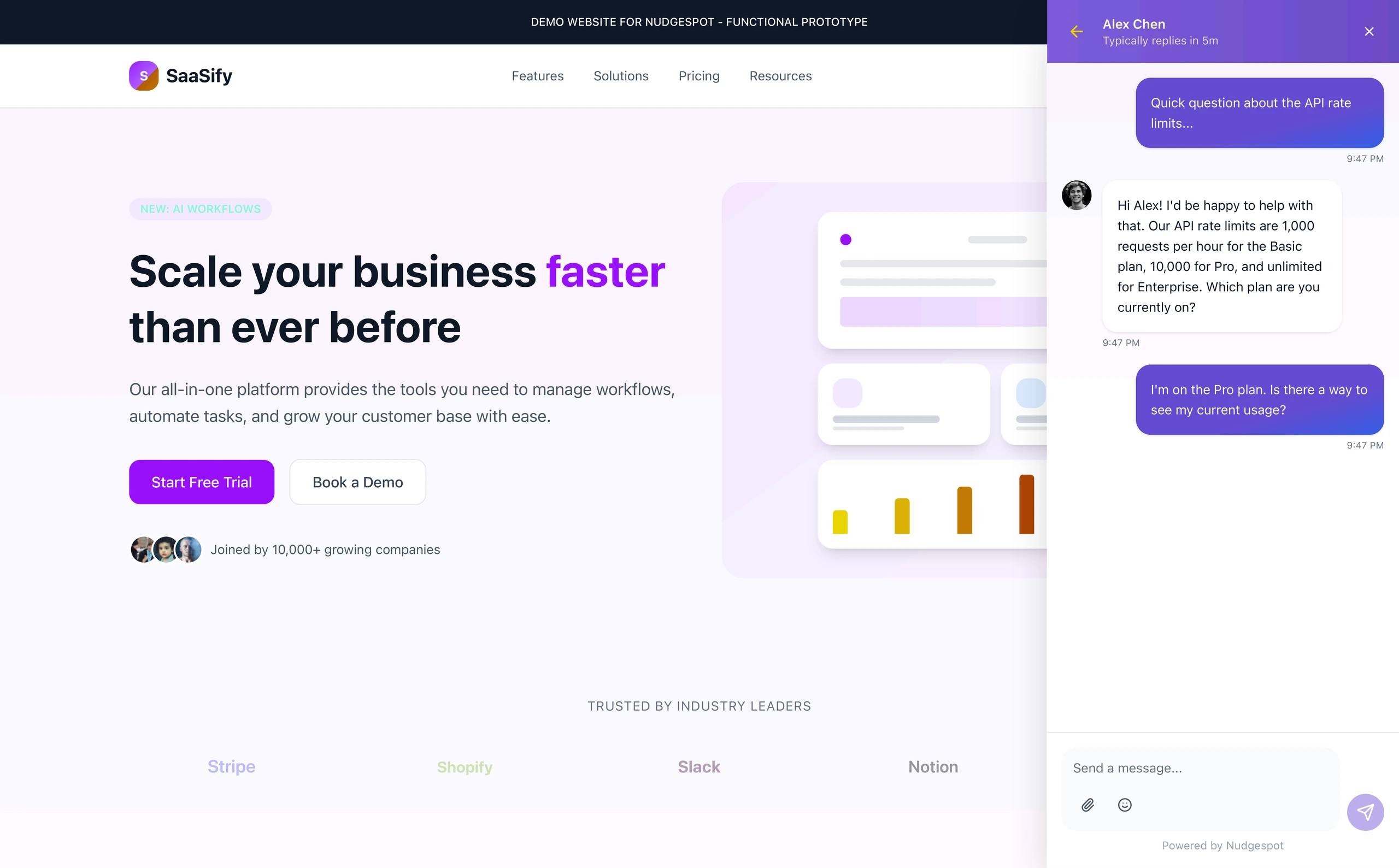
The design kept the customer grounded in the page while the widget handled support. This reduced context switching and made answers feel immediate.
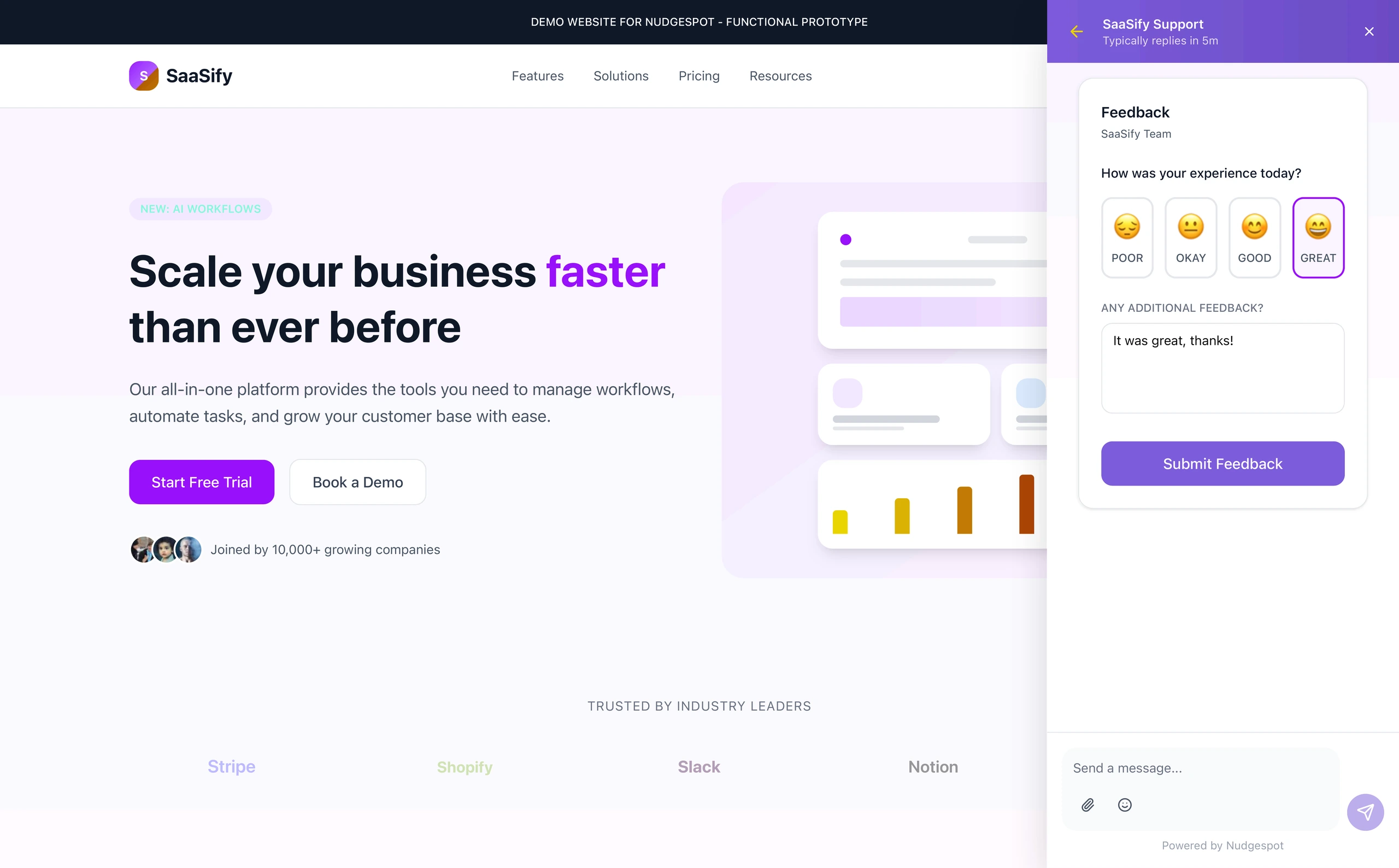
Feedback collection inside the same surface
The widget also supported structured feedback. Instead of sending users to a separate survey, the experience could ask simple satisfaction questions directly in the conversation surface.
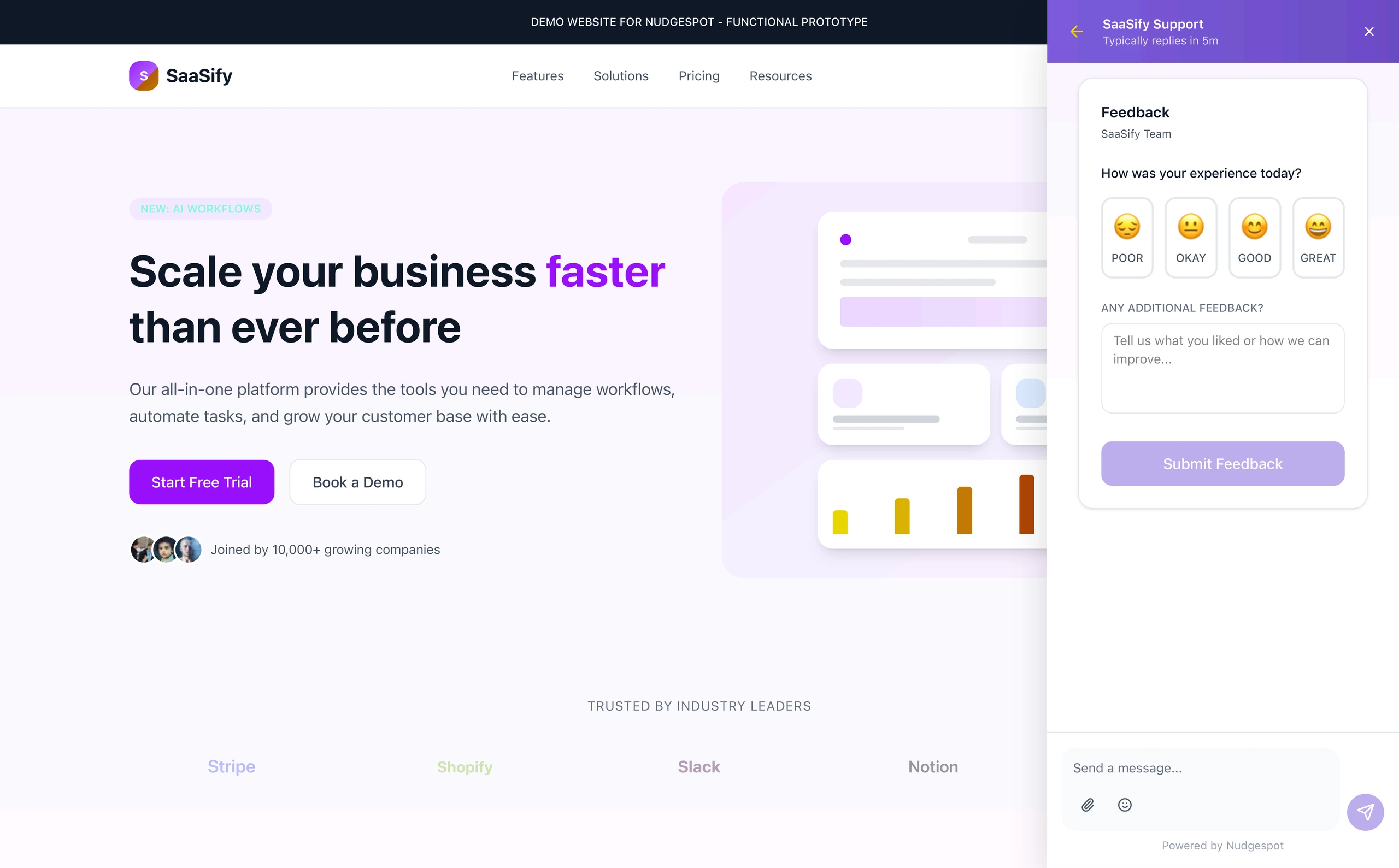
The form interaction was intentionally simple: choose a rating, optionally add context, submit, and receive confirmation.